
The Thrill of Chance
The allure of casino games lies in their inherent unpredictability, which taps into the human fascination with chance and luck. The excitement generated by not knowing the outcome of a spin or a card draw compels many individuals to engage repeatedly in these games. This uncertainty activates the brain’s reward system, releasing dopamine—a neurotransmitter associated with pleasure and motivation. As players experience wins, no matter how small, they often seek to replicate that feeling, driving them to continue playing. Furthermore, engaging in games can also offer options for real money slots, which adds another layer of allure to the casino experience.
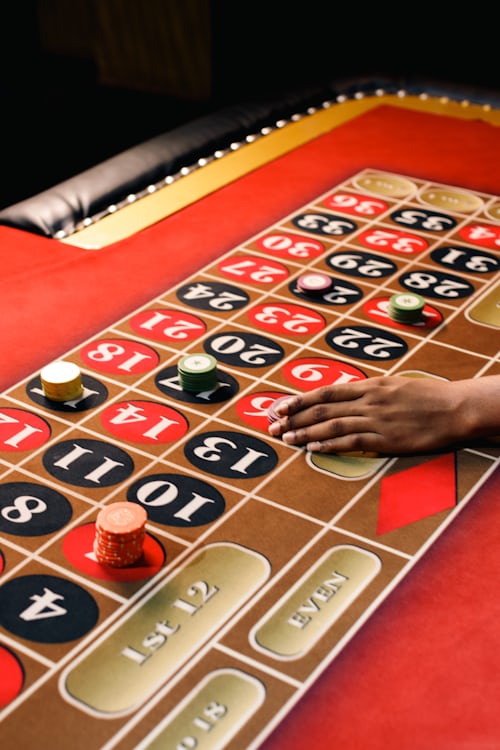
Additionally, this thrill is amplified by the design of casino games. Through colorful graphics, sounds, and immersive experiences, casinos create an environment that keeps players engaged. The anticipation of a potential win can be intoxicating, making it difficult for individuals to resist trying their luck one more time. This dynamic forms a complex relationship between the player and the game, with excitement propelling them back to the casino floor again and again.
The Role of Behavioral Reinforcement
Behavioral psychology plays a crucial role in understanding why people keep returning to casino games. The principle of reinforcement explains that behaviors followed by rewards are likely to be repeated. When players win, they receive positive reinforcement, which strengthens their desire to play more. This phenomenon is often heightened by the near-miss effect, where players come close to winning but ultimately fall short. Such experiences can lead them to believe that a win is just around the corner, compelling them to continue.
The use of variable ratio reinforcement schedules—where rewards are given after an unpredictable number of attempts—further solidifies this behavior. Players may not win every time, but because they know a win could happen at any moment, they are drawn back into the game. This psychological manipulation is effectively leveraged by casinos to maintain player engagement, often leading to extended gambling sessions.
The Importance of Social Interaction
Casino environments facilitate social interactions, contributing significantly to the overall experience of gambling. Many people enjoy playing games in groups, sharing the thrill of the game with friends or strangers. This sense of community enhances the enjoyment and can make losing less impactful, as the shared experience often fosters camaraderie. The social aspect also creates an environment where players feel supported, and this communal atmosphere can encourage longer play times.
Moreover, events such as tournaments and themed nights further enhance this social dynamic. Players bond over shared strategies and experiences, often discussing previous games and outcomes. Such interactions not only make the experience more enjoyable but can also invigorate their desire to keep playing, as they feel more connected to the casino and its community.
The Illusion of Control
One psychological factor at play is the illusion of control, where players believe they can influence the outcome of a game, even when outcomes are purely random. This misconception often leads gamblers to engage more frequently, as they feel empowered by their perceived skills or strategies. For instance, in games like poker, players may think their choices directly affect their chances of winning, which can lead to continued play, despite the odds being against them.
This belief can be further fostered by the concept of skill-based games, where players feel that their abilities in certain games provide them with an edge. In reality, most casino games rely heavily on luck, yet the feeling of having control can be addictive. Those who believe they possess a special skill set may be even more inclined to believe that they’ll eventually achieve a significant win, propelling them back to the casino time after time.

Understanding Responsible Gaming
While casinos can provide thrilling experiences, understanding the psychological factors that encourage continued play is essential for promoting responsible gaming. Players should engage in self-monitoring and awareness of their gambling habits to ensure that their enjoyment does not turn into compulsive behavior. Setting limits on time and spending can help individuals maintain a healthy relationship with gaming and recognize when it’s time to step away.
Websites that focus on gaming accountability often provide resources and support for those seeking help. Such platforms aim to foster a safe and enjoyable environment where individuals can explore their gaming interests while being mindful of the potential risks. It is crucial for players to understand their motivations and be educated on responsible gambling practices to enhance their enjoyment without compromising their wellbeing.


